Selected Marketing Case Studies
Marketing Strategy, Execution & Results
Explore selected examples of how Ana Vasquez brings together marketing strategy, public relations, business development, AI powered research, digital execution, and creative operations to turn opportunities into measurable business results.
Ana Vasquez, M.Ed. | AnaConnectsYou
CASE 01
PR, Brand Positioning and Monetization
Turning audience into income: commercial opportunities and brand growth.
What I Accomplished
I ran a public relations practice that turned audience into income. For the influencers, brands, and business leaders I represented, I converted reach into strategic partnerships, sponsorships, and paid opportunities, and I sustained that conversion across five years of practice.
How I Executed It
I priced the audience, not the exposure. I mapped each brand's reach to the partners who valued it most, packaged offers around the outcomes partners would pay for, produced a year round calendar of live events that put partners and audiences in the same room, and tightened approval cycles until approved work moved to market a quarter faster.
The Result
Partnership growth of 30 percent year over year, a professional network expanded by 45 percent over three years, and media reach up 20 percent, carried by more than eight live events a year.
growth in strategic partnerships, year over year
expansion of the professional network over three years
increase in media reach across the practice
How Visibility Became Revenue
Audience mapped
Partners matched
Offers packaged
Events activated
Relationships renewed
Why This Matters to an AI Focused Business
Monetization is a method, not a medium: identify whose attention is valuable, price it, package it, and renew what performs. That method transfers directly to platforms, partnerships, and ecosystems that need revenue built around them.
CASE 02
Business Development and Strategic Partnerships
A conference pipeline measured to the reply, and a partnership carried to signature in two days.
What I Accomplished
I converted one conference's worth of new relationships into a measured business development pipeline, and in a parallel partnership drive I took a first agreement from first send to full execution within 48 hours.
How I Executed It
I set the capture standard and built the CRM workbook, verifying every contact against its source photograph. I sent each follow up individually, worked the nonresponders by phone, and reconciled every reply against the sends twice before counting it. On the partnership side, I built the tracker before the first send and ran the addressed round through to signature.
The Result
Thirty photographs became 23 verified contacts and 23 follow ups. Six replies were confirmed on reconciliation, a 26 percent confirmed reply rate, producing one booked meeting and one prequalification routing. The partnership exhibit tells the companion story: 29 of 29 addressed sends delivered, the first agreement executed inside 48 hours, and a second countersigned three days later.
The Pipeline, Stage by Stage
Photographs captured at one conferenceThe raw material of the pipeline
Contacts verified into a CRM workbook
Follow up messages sentEach one reviewed individually before sending
Confirmed replies26 percent of the verified set
Working outcomesOne meeting booked, one prequalification routing
Partnership Execution, the Supporting Exhibit
Tracker built before the first send
29 addressed sends, 29 of 29 delivered
First agreement executed within 48 hours
Second agreement countersigned three days later
The two agreements are partnership instruments for a service provider network, fully executed and on file.
Why This Matters to an AI Focused Business
Growth pipelines fail in the unglamorous middle: capture, verification, follow through, reconciliation. This case shows that middle owned and measured, the same discipline a technical team needs applied to partner and channel development.
CASE 03
AI Marketing Intelligence and Competitive Positioning
A visibility diagnostic built as a business decision tool.
What I Accomplished
I built a diagnostic for the way buyers now choose: they ask AI assistants which business to hire. The instrument shows what those systems say about a business, whether it is named at all, and who is named instead.
How I Executed It
I designed the instrument and ran it end to end. Six questions a real buyer asks were put to four AI answer surfaces, all 24 responses were captured, and each response was scored against one fixed standard, with errors and omissions itemized surface by surface.
The Result
A documented baseline a leadership team can act on in one sitting. The worked sample scored 19 of 48, in the band named but shaky, and the company in the sample was named last on all four lists. Its corrective order is attached: fix the facts the systems repeat wrongly, repair the listings they read from, then contest the questions where a competitor is named. Behind one no competitors positioning claim in the same body of research, eight actual providers were studied; the claim did not survive the research, and one competitive positioning recommendation was completed.
Decisions This Diagnostic Supports
Correct first the facts the systems repeat wrongly, in the order buyers encounter them. Repair the listings and public profiles the systems read from, before any campaign spend. Contest the buyer questions where a competitor is named instead, one question at a time.
The Worked Sample, Scored Surface by Surface
Worked sample baseline. Six buyer questions, four AI answer surfaces, 24 responses captured and scored against one fixed standard.
Scoring bands across the full 48 point scale. The sample lands in the second band, named but shaky: present in the answers, still earning their trust. The baseline is a completed diagnostic; no improvement is claimed for it.
Why This Matters to an AI Focused Business
Buyers increasingly meet a business first inside an AI answer. A scored baseline turns that invisible first impression into decisions leadership can act on: which facts to correct, which listings to repair, and which buyer questions to contest first.
CASE 04
Marketing Launch and Digital Execution
Positioning, offerings, pricing architecture, website development, and the customer journey, built and launched as one integrated system.
What I Accomplished
I launched a complete go to market system for a new marketing offer in a single pass, with positioning, offer architecture, website, and checkout built as one system rather than assembled in pieces.
How I Executed It
I decided the positioning first and let it govern everything after it. I structured the offer as a ladder, built the twelve route website to that architecture, and click tested every payment link to a live checkout.
The Result
A completed marketing launch system with twelve verified website routes, four checkout links successfully tested to live checkout pages, and a customer journey connecting positioning, offers, website navigation, and checkout.
The Launch System, as Built
PositioningOne problem, one buyer, one promise, decided before anything was built.
Offer architectureA four step ladder, from an entry diagnostic through a workbook and a bundle to monthly monitoring and care.
WebsiteTwelve routes built to the architecture and verified page by page.
Checkout and customer journeyFour payment links click tested to live checkout pages.
DirectoryA business directory built into the journey, staged to open at forty verified listings.
One System, Verified Route by Route
Positioning, offer, website, and checkout were designed, built, and tested as a single launch, and every route was verified against the approved build before the system was called live.
Why This Matters to an AI Focused Business
AI companies rarely lack product. They lack a launched, verified path from positioning to payment. This case is that path, built in one pass and checked like a release, which is how technical buyers already expect work to ship.
CASE 05
Creative Marketing Operations and Campaign Execution
A locked creative system that produces, verifies, and publishes on schedule.
What I Accomplished
I built a creative production system that keeps two brands publishing for six months without daily improvisation: 70 designs approved under one locked formula, and 175 posts published or scheduled on a fixed cadence.
How I Executed It
I locked the formula before producing at volume: real licensed photography under a dark scrim, one verified quotation or statistic set huge and centered, and the source attribution on every design. I approved production in batches of 20 and 50, verified every caption and source before scheduling, and built the calendar months ahead.
The Result
An operating creative system, verified post by post in the daily record and still running: an every other day midday cadence across both brands, scheduled through April 2027, with quality held by the system rather than by daily effort.
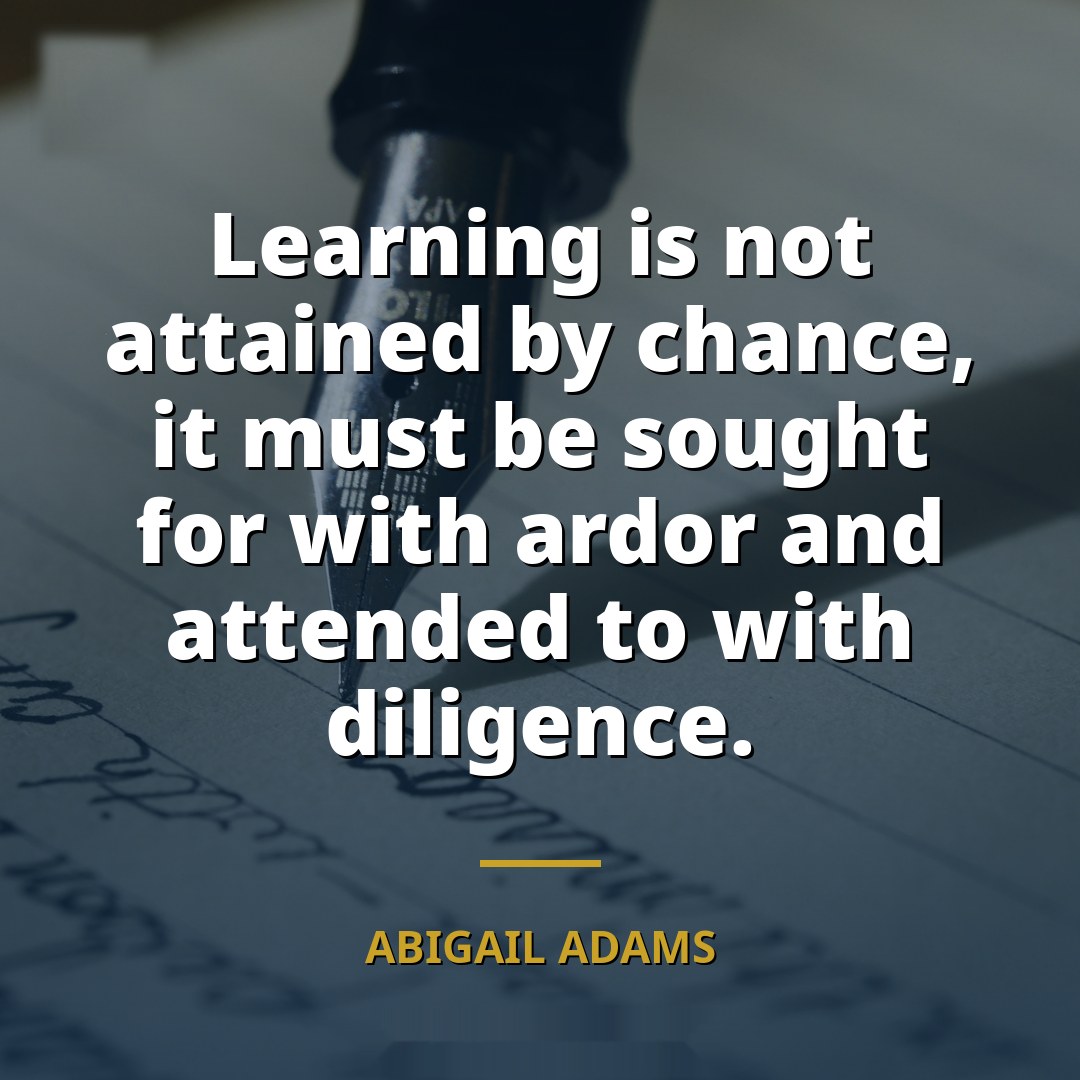
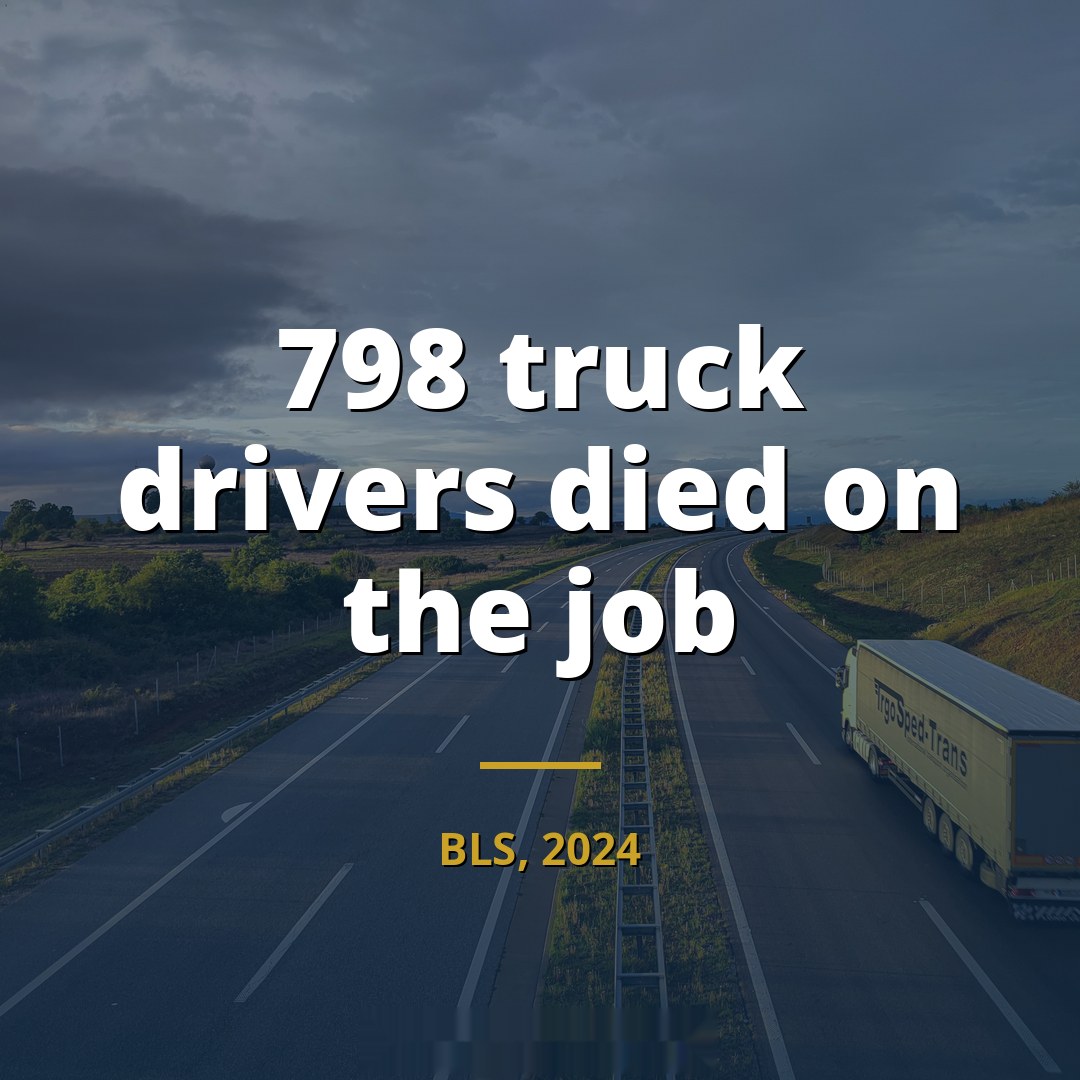
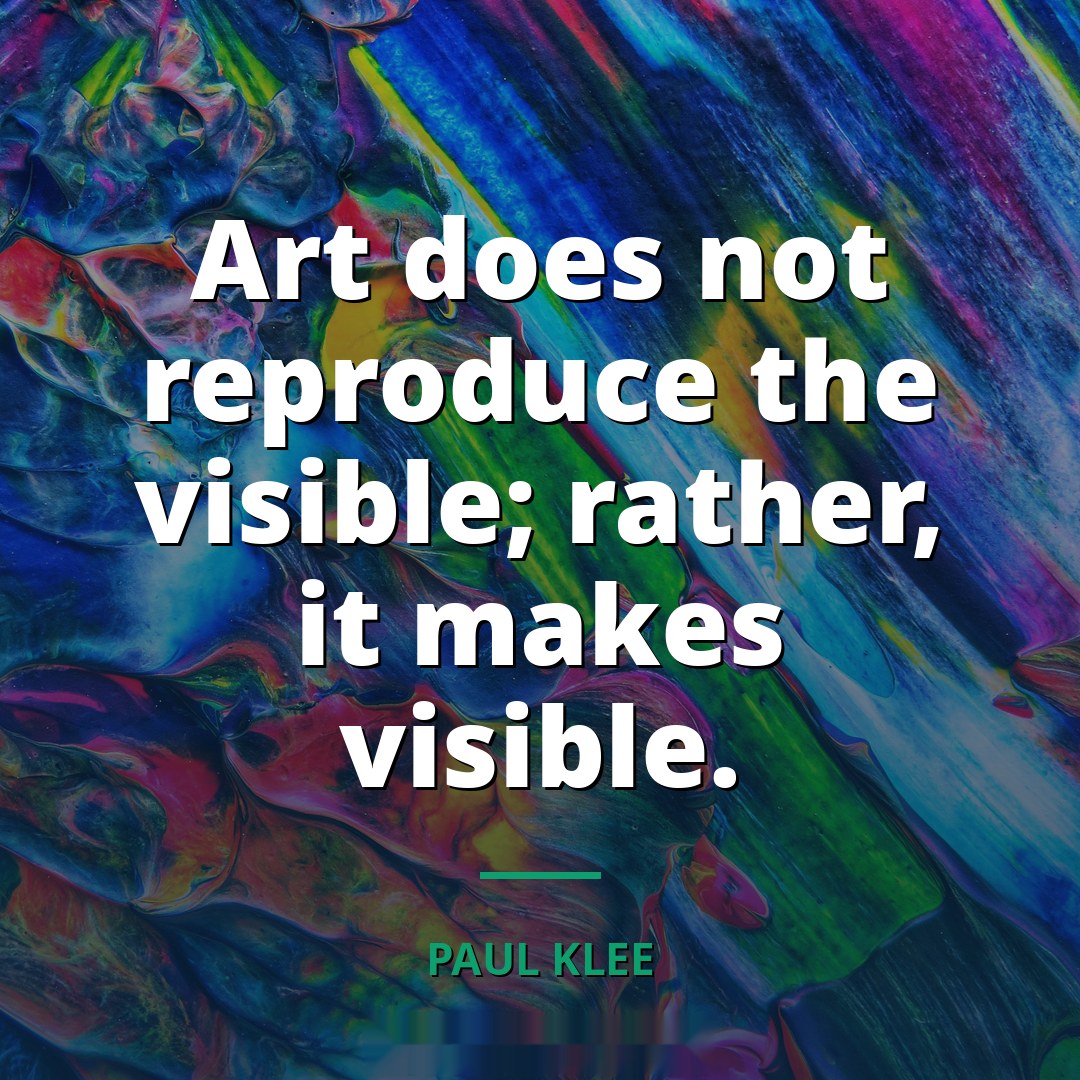
Actual designs from the approved batches, published or scheduled for two brands under one formula. They are shown with the brand marks and web addresses removed, so this portfolio stays anonymous. The first quotation design was published on October 22, 2026; the statistic design and the second quotation design are scheduled.
Why This Matters to an AI Focused Business
Content operations are where marketing promises collapse into daily improvisation. This system shows creative production run like an operation: standards locked, batches gated, output verified. It is an operating model an AI team can extend rather than supervise.
The Documents
The Capability Statement and the Case Studies, in Full
The two public documents behind this page, in their original layouts. View them in the browser or download them for your records.
Executive Marketing Capability Statement
Two pages. Marketing leadership, public relations, brand positioning, and monetization, followed by AI powered marketing and execution.
Work With Ana
Let’s Talk About What You Need.
Tell me what you are working on and where you need help. We will start with a 30 minute conversation.